
Fulfillment Center Toronto
Build a more organised fulfillment operation. Explore how receiving, inventory, order workflows, packaging and shipping handoff can fit together.
 Illustrative warehouse scene
Good fulfillment begins with clear operating detail.
Build a workflow around the products, order patterns and customer expectations—not assumptions about a standard operation.
Clear inventory organisation
Know how products, variants and movements should be identified.
Thoughtful order workflows
Make order release, picking and exceptions easy to explain.
Packaging matched to products
Plan protection and presentation around the items being shipped.
Plan for changing demand
Discuss seasonal shifts, promotions and special projects before they arrive.
From a product file to a clear handoff.
Share your requirements
Review scope and fit
Plan onboarding
Organise inventory
Process order work
Review and refine
A fulfillment model should fit the work
A fulfillment centre connects inbound inventory to the orders customers place. Receiving, storage, product identification, order rules, packaging and shipment handoff are linked decisions. Understanding those connections helps a business evaluate what to outsource, what to retain and what needs clarification.
Fulfillment Center Toronto provides information for ecommerce brands, retailers, wholesalers, manufacturers and subscription businesses assessing those choices. The listed services are proposed areas of support and require owner confirmation before any public operational promise or engagement.
Keep inventory legible
Inventory organisation starts with reliable product identifiers and clear variant logic. A receiving plan can establish expected quantities, product labels and a way to record discrepancies. Location methods, movement records and stock reviews should match the actual products and systems in use.
Design the order workflow
Order work may include intake, validation, allocation, picking, packing and shipment handoff. A wholesale purchase order, a subscription box and a single-item ecommerce parcel do not necessarily share the same instructions. Representative orders help reveal where packaging, documents or exceptions need a distinct rule.
Plan packaging and customer experience
Packaging choices balance protection, parcel configuration, materials and presentation. Agree which materials are supplied, what each product needs, whether inserts or branded components are used and how substitutes are approved. Customer experience depends on the complete journey, including how issues and returns are handled.
Evaluate regional fit and cost assumptions
Businesses across Toronto and the GTA should consider supplier routes, customer geography, receiving arrangements and the proposed operating footprint. A regional discussion does not imply a warehouse in every city. Compare quotes using consistent assumptions for inventory, order composition, packaging, destinations and exceptions; no company rates are represented on this site.
A clear next step
Start with the current operating picture: product catalogue, order mix, channel requirements, storage needs and the questions you want answered. Then compare service scope, data ownership, system requirements, transition responsibilities and open capability questions. Explore the service catalogue, learn how the evaluation framework works or share your requirements through the enquiry form.
Keep visibility and exceptions in the design
Inventory visibility depends on agreed records and update responsibilities. Define how receipts, movements, adjustments, orders and returns are represented, then decide which information the business needs to review. A useful exception process records what happened and who owns the next decision.
Make room for returns and changing demand
Returns can need authorisation, inspection and a merchant-approved disposition before stock is available again. Promotions and seasonal shifts can change component needs, order combinations and packaging materials. Document those scenarios while evaluating the workflow rather than treating them as afterthoughts.
Understand the cost model before comparing
Receiving, storage, order processing, materials, shipping, returns and setup are common quote categories. The provider’s billing units and exclusions matter as much as the category names. Use the same order mix, product profile and destination assumptions when comparing proposals; no rates or minimums are published here.
A receiving decision starts upstream
Before stock arrives, the merchant and provider need a shared reference for what was ordered, what was shipped and how units are packed. Ask suppliers for consistent carton labels and packing lists where possible. Record expected quantities by SKU and unit of measure; a case quantity should not be confused with sellable eaches. If supplier paperwork is incomplete, agree a hold and clarification route rather than guessing at item identity.
For a first planning exercise, trace one inbound shipment through notice, count, discrepancy handling, location assignment and availability. Identify each record and decision owner. This small exercise often exposes missing product dimensions, unclear barcode ownership or a mismatch between the supplier’s code and the storefront SKU before any inventory transfer is scheduled.
A practical order-mix review
Do not scope the operation from a monthly order total alone. Pull a representative sample and sort orders by lines, units, product combination, packaging instruction, destination and exception type. A business with many one-line parcels has different picking and packing needs from one with a high share of bundles or wholesale case orders, even if order counts appear similar.
Use the sample to decide what must be priced or tested separately: inserts, gift presentation, fragile combinations, subscription components, retailer labels or split shipments. Keep the analysis descriptive, not predictive. The sample is a basis for discussion, not a service-volume or capacity commitment.
Make returns part of the forward flow
A returned item changes stock, customer communication and sometimes packaging. Define how a return is authorised, what is inspected, how condition is recorded, who chooses the disposition and when a quantity becomes available again. Products with hygiene, safety, warranty or serial-number considerations may need a distinct policy from ordinary sealed goods.
Consider the reverse route in the location and cost discussion. Where will returned stock be received, who can access it, and what happens if it is unmatched to an order? A return policy that exists only in customer-service documentation is incomplete for physical inventory handling.
Plan for change without assuming scale
When a business adds a channel or seasonal offer, the operating change may affect identifiers, order combinations, inserts, packaging stock and reporting at the same time. Use a change note that names the new version, effective date, merchant approver, affected SKUs and the point at which old instructions stop applying.
Ask the proposed provider what advance notice and information it requires. Specific capacity, staffing, cut-offs and surge handling must be confirmed directly; a growth plan on this site does not promise that a provider can absorb a particular volume.
Connected steps, considered separately.
Browse the operating pieces that may make up an outsourced fulfillment model. Each service remains subject to owner confirmation.
 01 / SERVICE
Ecommerce Fulfillment
Online retail operations connect a customer’s checkout to a correctly allocated, packed and …
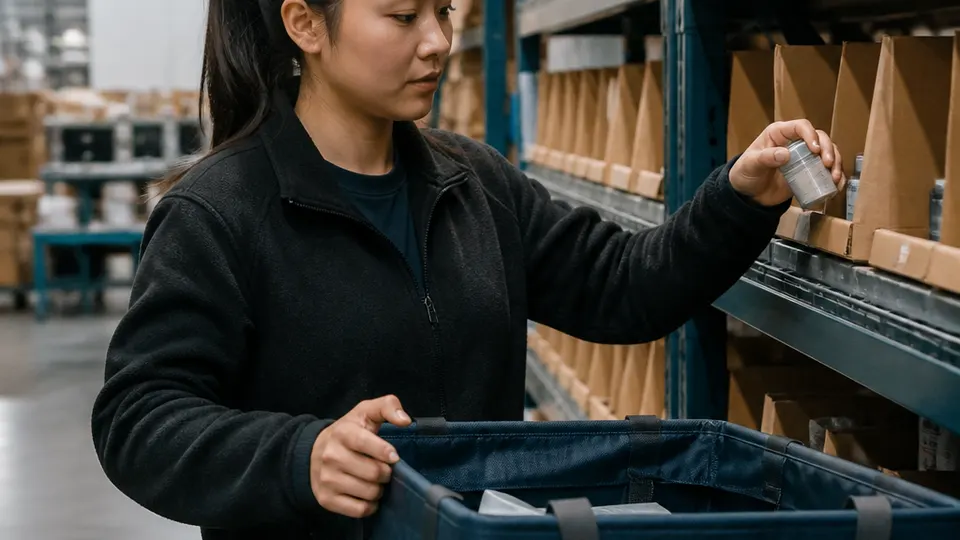 02 / SERVICE
Pick and Pack Services
Pick and pack describes the physical steps between a released order and a packed shipment. T…
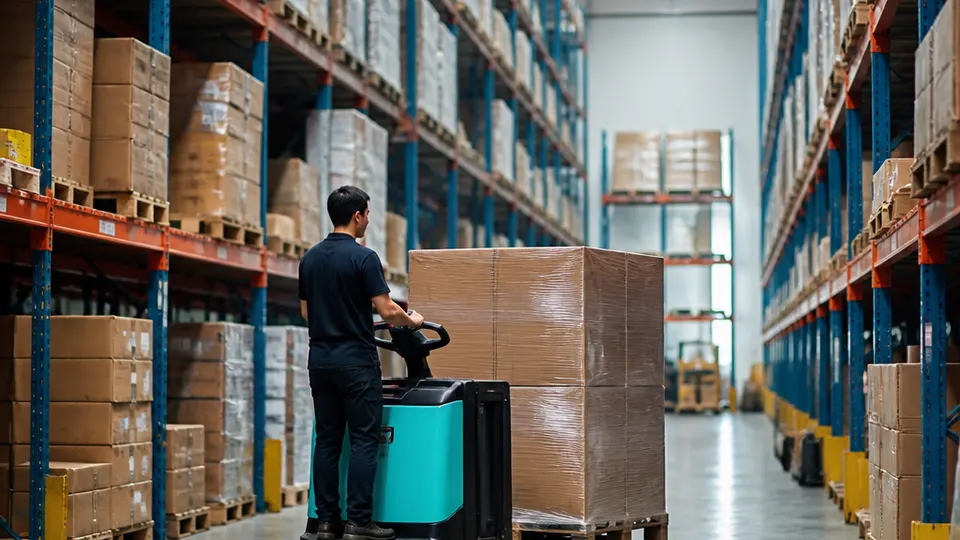 03 / SERVICE
Warehousing
Warehousing is more than allocating floor space. Receiving records, location logic, product …
 04 / SERVICE
Third-Party Logistics (3PL)
A third-party logistics provider may take on selected operational activities such as receivi…
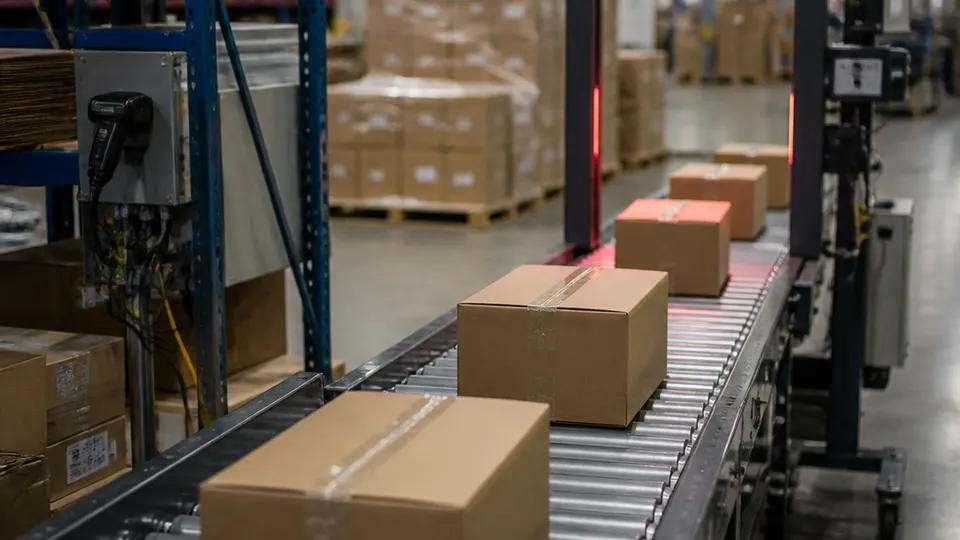 05 / SERVICE
Order Fulfillment Services
Order fulfillment is the end-to-end movement of an instruction through allocation, picking, …
 06 / SERVICE
B2B and Retail Fulfillment
Business-to-business orders often bring requirements that differ from parcel ecommerce: case…
 07 / SERVICE
Subscription Box Fulfillment
Subscription operations work to a repeatable calendar. Each cycle may have a distinct produc…
 08 / SERVICE
Kitting and Assembly
Kitting combines separately managed components into a defined finished set. It can support p…
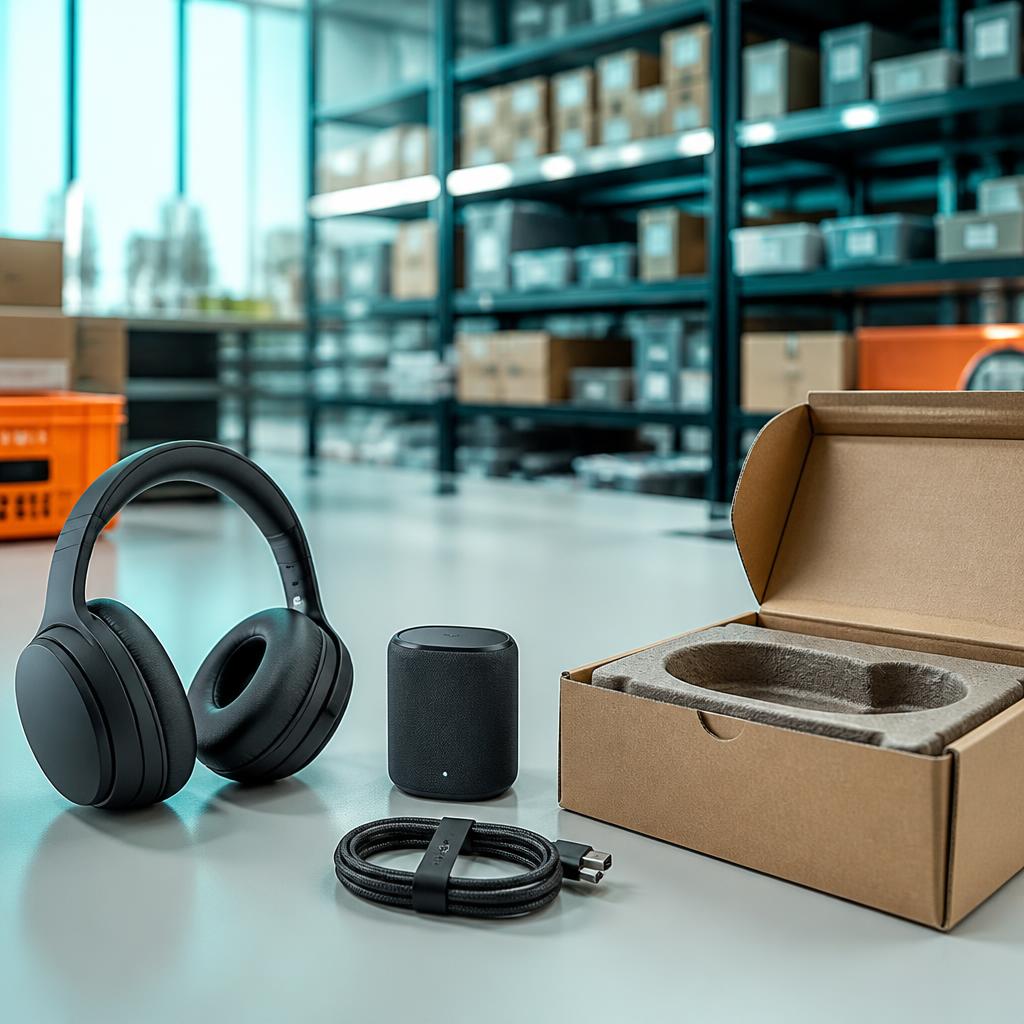
Different goods ask different questions.
Dimensions, fragility, SKU variation and channel requirements influence how a workflow should be designed.





Useful questions for the next decision.
How to Choose a Fulfillment Center in Toronto
A provider evaluation checklist for businesses comparing operational fit, location, responsibilities, visibility and total cost.
Read guide →Ecommerce OperationsWhat Affects Fulfillment Costs in Toronto?
A guide to total cost, common fee categories, quote comparison and assumptions that can be easy to miss.
Read guide →Business Growth3PL vs. In-House Fulfillment: A Practical Guide for Toronto Businesses
Compare control, staffing, space, systems, flexibility and operating complexity before outsourcing.
Read guide →What to clarify before a conversation.
What does an outsourced fulfillment workflow include?
It may include receiving, storage, order processing, packing and shipment coordination. Exact scope must be confirmed.
How is a fulfillment quote scoped?
Share order examples, SKU details, storage needs, packaging requirements and destination profile so assumptions are visible.
Can I use a fulfillment provider for wholesale and ecommerce?
Potentially, but the channels can require different order rules, labels and documentation. Scope each separately.
Do you publish fulfillment rates?
No rates or minimums are published here. Request a quote based on your operating profile.
Can you handle subscription boxes or kitting?
These are proposed services. Requirements, component controls and availability need to be confirmed.
Is there a warehouse in every GTA city?
No such claim is made. Discussing the region does not imply a facility in each city.
Do you offer a Shopify or marketplace integration?
Integration availability is not confirmed. Ask about data flow, testing and fallback options.
What if my product needs special handling?
Share handling, storage and shipping constraints before any inventory is scheduled.
Related pages
Tell us what your operation needs.
Share your products, order profile and the questions you want to resolve.